
Tag Archives: continuous improvement

How to Measure Continuous Improvement: The Data-Driven Enterprise Guide for 2026

How to Measure Continuous Improvement: The Data-Driven Enterprise Guide for 2026
Coby Skonord|
June 17, 2026

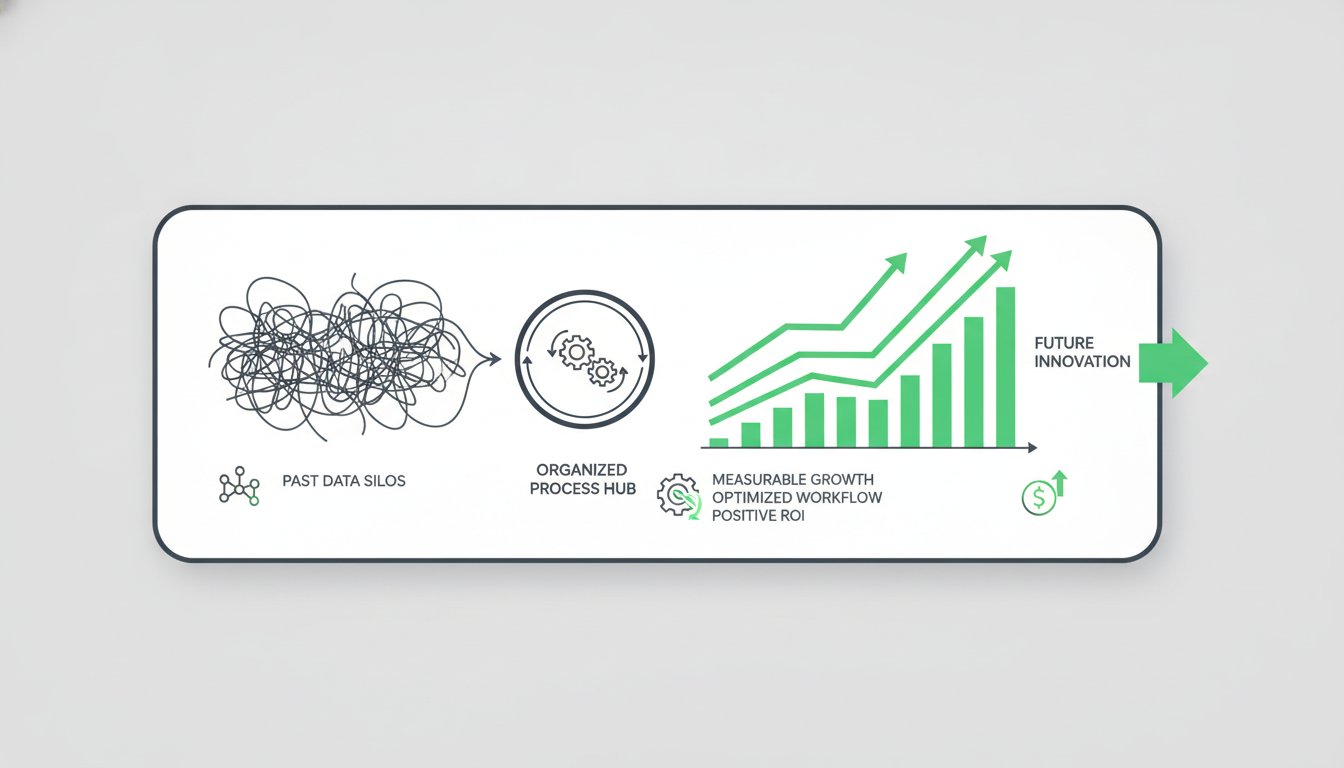
Why is it that enterprise leaders can track every cent of a marketing budget but struggle to quantify the value of a thousand employee ideas? You likely recognize that incremental changes drive long-term growth, yet research shows 71% of manufacturers expect to increase quality spending this year while many still lack a unified way to track the results. When data is siloed in fragmented spreadsheets and “culture” feels impossible to measure, learning how to measure continuous improvement becomes more than a reporting task; it is a competitive necessity for the data-driven enterprise.

The administrative overhead of manual tracking is a relic of the past that your organization can no longer afford. This guide provides the exact frameworks and metrics required to transform abstract improvement goals into quantifiable ROI and organizational growth. We will examine the shift toward AI-augmented methodologies, including the implications of the upcoming ISO 9001:2026 update, and show you how to build board-ready reports that prove the financial impact of every implemented idea.

Key Takeaways

  • Identify why 70% of initiatives fail and how to establish the systematic feedback loops required to sustain long-term organizational growth.
  • Quantify both hard and soft gains by calculating net financial ROI and tracking cycle time reduction across your entire process portfolio.
  • Modernize the PDCA framework using data-driven crowdsourcing and AI to rapidly prototype changes with clear ownership and accountability.
  • Learn how to measure continuous improvement without the risks of “spreadsheet rot” by transitioning to automated platforms that reduce administrative overhead.
  • Develop a high-impact execution strategy that uses measurement data to fuel executive ROI reviews and meaningful employee recognition.

The Foundation of Continuous Improvement Measurement

Measurement is the heartbeat of any sustainable continual improvement process. Without it, you’re merely guessing. True measurement involves the systematic tracking of process efficiency, output quality, and cultural adoption. It transforms the vague feeling that things are getting “better” into the concrete knowledge of exactly how much your margins have expanded. By quantifying these shifts, you move from reactive management to proactive leadership.

Why do 70% of continuous improvement initiatives fail? The reason is rarely a lack of effort. It’s almost always a lack of quantifiable feedback loops. When employees don’t see the tangible impact of their contributions, engagement withers. When leadership can’t see a clear line to profitability, funding disappears. To prevent this, data-driven enterprises build a “Value Vault.” This is a centralized source of truth where every data point, from the initial idea to the final savings report, is archived and accessible. It stops “spreadsheet rot” and ensures that every win is documented.

Understanding how to measure continuous improvement requires a balanced view of indicators. Lagging indicators, like quarterly revenue or reduced defect rates, tell you what happened in the past. They are the scoreboard. Leading indicators, such as the number of active experiments or employee participation rates, predict your future performance. You need both to tell a complete story of organizational health.

Why Traditional Suggestion Boxes Fail the Measurement Test

The classic wooden suggestion box is where data goes to die. This “Black Hole” effect happens because manual systems make data extraction nearly impossible. Managers face administrative bottlenecks when they try to verify the impact of small-scale improvements across multiple departments. Without a digital audit trail, you can’t aggregate thousands of small wins into a single, board-ready report. Transitioning to a modern employee suggestion program eliminates these silos, replacing manual data entry with automated tracking that scales as you grow.

Aligning CI Metrics with Strategic Business Goals

Improvement for improvement’s sake is a luxury most enterprises can’t afford. You must create a “Golden Thread” that connects every frontline idea directly to a strategic objective. If a technician suggests a way to reduce machine downtime, that data should map directly to enterprise-level KPIs like Total Effective Equipment Performance (TEEP). This alignment ensures that your continuous improvement efforts are actually moving the needle on what matters most to the C-suite.

Establishing a baseline is your first priority. You can’t measure progress without a documented starting point. Before launching any new initiative, record the current state of your metrics. This baseline serves as the anchor for all future ROI claims, ensuring that your growth is both visible and indisputable. By starting with the data, you build a foundation that can support substantial shifts in performance.

Core Metrics: Quantifying Hard and Soft Gains

Transitioning from a general culture of “getting better” to a data-driven enterprise requires a rigorous approach to metrics. You cannot manage what you do not measure. To master how to measure continuous improvement, you must track a balanced scorecard that includes financial impact, process speed, and workforce engagement. Relying on a single data point creates a distorted view of performance. Instead, high-performing organizations use a mix of hard and soft metrics to validate their progress and justify further investment.

Four primary pillars define the success of a modern program:

  • Financial ROI: The net value generated by subtracting implementation costs from total gains.
  • Cycle Time Reduction: A direct measure of process velocity from the start of an activity to its completion.
  • Participation Rate: The percentage of your workforce actively contributing, voting, or commenting on improvements.
  • Implementation Rate: The critical ratio of submitted ideas to those that reach successful execution.

Hard Metrics: The Language of the C-Suite

Financial teams demand clarity. You must distinguish between direct cost savings, which reduce current spending, and cost avoidance, which prevents future expenses. Both are vital, but they impact the balance sheet differently. Revenue growth also plays a role as incremental enhancements to products or services open new market opportunities. In this context, ROI is the ultimate validator for balancing incremental vs radical innovation to ensure short-term stability and long-term growth. To see how these metrics look in real-time for your specific organization, you can book a free demo of our platform.

Soft Metrics: Measuring the ‘Immeasurable’ Culture

Frontline engagement is the engine of continuous improvement. While often labeled “soft,” these metrics are highly predictive of future financial success. High employee engagement scores typically correlate with high participation rates in improvement initiatives. Tracking cross-departmental collaboration reveals how effectively knowledge flows through your organization. Understanding the four main types of business collaboration provides the necessary context to measure these internal synergies accurately. When ideas move across silos, you unlock collective intelligence that a single department could never achieve alone.

Operational Excellence and Waste Reduction

Operational metrics ground your improvement efforts in daily reality. Organizations often use a formal Continuous Improvement Model to target the 8 forms of lean waste, such as overproduction and unnecessary motion. Quality metrics, including first-pass yield and rework costs, provide immediate feedback on process health. Additionally, quantifying safety and compliance improvements by tracking the reduction in workplace incidents proves that your CI program protects your most valuable asset: your people. This comprehensive data set ensures your program remains both profitable and sustainable.

The PDCA Framework in the AI Era

The Plan-Do-Check-Act (PDCA) cycle remains the gold standard for operational excellence, but its traditional execution is often too slow for the modern enterprise. In 2026, the speed of your feedback loop determines your competitive advantage. By integrating artificial intelligence into each phase, you transform a static process into a dynamic engine for growth. This evolution represents a shift from historical reporting to real-time process intelligence. It ensures that your organization isn’t just changing, but evolving with purpose.

During the Plan phase, data-driven crowdsourcing identifies high-impact opportunities by aggregating frontline insights. The Do phase follows with rapid prototyping, where small-scale changes are implemented by specific owners to test viability without disrupting the entire value chain. While financial metrics are crucial, a holistic approach often incorporates The Balanced Scorecard to ensure that process improvements align with broader strategic goals like customer satisfaction and internal operational health.

Automating the ‘Check’ Phase with Artificial Intelligence

The ‘Check’ phase is where most programs stall due to manual data entry and observational bias. Modern AI tools for innovation managers eliminate these bottlenecks by automating data collection from disparate systems. This technology allows you to understand how to measure continuous improvement through predictive analytics, which use historical performance data to forecast the potential ROI of an idea before you commit resources. AI also facilitates sentiment analysis, providing a window into how employees perceive changes by analyzing platform engagement patterns. This real-time visibility ensures that you catch process deviations before they impact the bottom line.

Standardizing Success: The ‘Act’ Phase at Scale

Scaling a single success across a global organization is the ultimate test of a CI program. The Act phase must be standardized to prevent teams from “reinventing the wheel” in different regions. By creating a digital library of successful improvements, you ensure that a win in one factory becomes a blueprint for every other location. Automated notifications and leaderboards drive this phase through gamification, keeping teams focused on execution targets and maintaining momentum.

Efficiency in this phase is enhanced by Ideawake AI, which automatically identifies duplicate ideas across global teams. This prevents wasted effort on redundant pilots and ensures that resources are allocated to unique, high-value initiatives. When the ‘Act’ phase is automated, your organization moves from isolated pockets of excellence to a unified, high-performance culture that treats every improvement as a scalable asset.

Overcoming the Measurement Gap: Spreadsheets vs. Platforms

Many enterprises attempt to track their evolution using tools designed for accounting, not innovation. This reliance on fragmented files creates a massive measurement gap that stalls progress. While a spreadsheet might work for a single department, it quickly becomes a liability at scale. The global market for process improvement services was valued at over $4.3 billion in 2026, yet many organizations still bleed resources through manual data cleaning and reporting. If you’re struggling with how to measure continuous improvement, the bottleneck is likely your choice of tool, not your methodology.

Manual systems are plagued by “spreadsheet rot,” where broken formulas and outdated versions undermine executive trust. When data is siloed, you lose real-time visibility. Instead of live dashboards that drive action, you’re left with static monthly reports that are obsolete the moment they’re printed. This lack of integrity makes it impossible to provide the board with the defensible ROI they require. Transitioning to a centralized platform ensures that your data remains a reliable asset rather than an administrative burden.

The ROI of CI Software

The hidden costs of manual tracking are staggering. When you compare Ideawake vs spreadsheets, the difference in administrative overhead becomes clear. Centralized platforms increase idea velocity by automating the vetting and routing process, which directly boosts implementation rates. Buying a specialized continuous improvement platform often yields a higher 3-year ROI than attempting to build and maintain an internal tool that lacks native innovation features. By offloading the tracking to a dedicated system, your team can focus on executing changes that drive the 12% growth rates projected for the business process management market through 2028.

Simplifying the Implementation Journey

Modernizing your measurement stack doesn’t have to be a disruptive event. Look for platforms that offer essential features like native integrations with your existing tech stack and automated workflows. A phased implementation approach is the most effective way to ensure user adoption across global teams. You can start by using an access idea management ROI calculator to quantify the potential gains of your program and justify the investment to stakeholders. This data-driven proof point is the first step toward a more transparent and accountable culture.

Stop fighting with fragmented data and start driving results. To see how a unified platform can transform your measurement capabilities, book a free demo of our idea management software.

Execution Strategy: Moving from Data to Action

Data without action is merely overhead. Collecting metrics is a vital first step, but the true value of a data-driven enterprise lies in how that information is used to steer the organization. You’ve already established the foundation and selected your metrics. Now, you must integrate these insights into the daily rhythm of your business. When you master how to measure continuous improvement, you aren’t just filing reports; you’re creating a roadmap for sustained performance gains that your competitors can’t replicate.

Start by establishing a monthly “Innovation ROI” review with senior leadership. This isn’t a passive update. It’s a strategic session where you map departmental wins back to the enterprise-level KPIs identified in the first section of this guide. By presenting hard data on cost savings and cycle time reduction, you secure the executive buy-in necessary for long-term scaling. This transparency builds trust and ensures that continuous improvement remains a top-tier priority rather than a side project.

Measurement data should also fuel your employee recognition strategy. Use your tracking platform to identify and celebrate “Small Wins” across the frontline. Highlighting the specific impact of an individual’s idea does more for engagement than any generic “employee of the month” program. These data points provide a continuous feedback loop that allows you to refine your idea evaluation process and criteria. If certain types of ideas consistently yield high ROI, you can adjust your evaluation weights to prioritize them in future challenges.

Gamification and the Psychology of Measurement

Transparency is a powerful psychological trigger. Sharing ROI data with your entire workforce boosts future participation by proving that their contributions actually matter. You can turn measurement into a competitive advantage by using leaderboards and prizes. This gamified approach encourages healthy competition between departments and keeps the momentum high. Organizations that leverage the best innovation management software often see a significant spike in implementation rates when they make progress visible to everyone. It transforms measurement from a top-down chore into a bottom-up movement.

Next Steps for Your CI Program

Actionable change starts with an honest assessment of your current state. Your first step is to audit your existing metrics. Are they primarily lagging indicators that only show you what happened last month, or do you have enough leading indicators to predict where you’re going? Identify the biggest “data leaks” in your current pipeline, such as ideas that get stuck in the evaluation phase or results that never get recorded. Once you’ve identified these gaps, you can deploy targeted solutions to close them. Measurement isn’t the final goal; it’s the fuel for a high-performance culture that never settles for average results.

Ready to see these frameworks in action? Sign up for a demo to see how Ideawake automates your CI measurement and turns raw data into board-ready ROI reports.

Transforming Process Intelligence into Enterprise Growth

The journey from abstract improvement goals to a data-driven enterprise requires a fundamental shift in how you capture and analyze value. By replacing fragmented spreadsheets with automated platforms and integrating leading indicators into your monthly reviews, you create a transparent culture of accountability. You’ve seen how AI-augmented frameworks can compress analysis timelines and how a unified source of truth protects executive trust. Mastering how to measure continuous improvement is the final step in turning frontline potential into a sustainable competitive advantage.

Our modern architecture is designed for 2026 standards, providing the AI-driven ROI tracking that global enterprise leaders rely on to scale their impact. You don’t have to settle for “spreadsheet rot” or administrative bottlenecks any longer. By adopting these data-driven strategies, you’re positioning your organization to lead rather than follow. The potential for massive shifts in performance is already within your teams; you simply need the right tools to unlock it.

Ready to turn ideas into quantifiable ROI? Sign up for Ideawake today.

The roadmap is clear and the tools are ready. Stop settling for average results and start building a high-performance future where every improvement drives your bottom line.

Frequently Asked Questions

What are the most important KPIs for continuous improvement?

The most critical KPIs focus on balancing hard financial gains with process health and workforce engagement. Net ROI and implementation rates provide direct evidence of value, while cycle time reduction measures your operational velocity. Participation rates serve as a vital leading indicator, showing the percentage of your workforce actively contributing to the organization’s evolution.

How do you measure the ROI of a continuous improvement program?

You calculate ROI by subtracting the total cost of implementation from the total financial gains generated by implemented ideas. Gains should include both direct cost savings and revenue increases from product or service enhancements. Implementation costs must account for software fees, labor hours, and materials to ensure the final figure is defensible during executive reviews.

Can you measure culture change in a quantifiable way?

Culture change is quantifiable through engagement metrics such as participation frequency, cross-departmental collaboration rates, and sentiment analysis. When you understand how to measure continuous improvement at the cultural level, you track the shift from passive observation to active problem solving. Monitoring how many employees move from submitting their first idea to leading an implementation provides a clear metric for cultural maturity.

How often should we report on continuous improvement metrics?

Reporting should follow a tiered schedule that balances real-time visibility with strategic reviews. Project teams need live dashboards to manage daily implementation, while senior leadership should receive a formal “Innovation ROI” report every month. Quarterly summaries are best for aligning long-term CI results with enterprise-level strategic objectives and annual growth targets.

What is the difference between leading and lagging indicators in CI?

Lagging indicators report on past results, such as total cost savings or reduced defect rates from the previous quarter. Leading indicators are predictors of future success, tracking current activities like the number of active experiments or average idea implementation speed. A high-performance program uses both to understand where the organization has been and where it’s likely to go.

How does AI help in measuring continuous improvement?

AI eliminates the administrative bottlenecks of manual data entry by automating the collection and cleaning of process data. It provides predictive analytics to forecast the potential financial impact of an idea before you commit resources to a pilot. Furthermore, AI identifies duplicate ideas across global teams, ensuring that your measurement data isn’t skewed by redundant efforts.

How do we track improvements that don’t have a direct financial value?

Improvements without a direct dollar value are tracked using proxy metrics like safety incident reduction, compliance scores, or employee retention rates. These “soft” gains often provide the foundation for long-term stability and indirect financial health. Assigning a weighted score to these categories ensures they’re prioritized alongside high-ROI projects in your centralized value vault.

What is the best way to present CI metrics to executive leadership?

The most effective presentations link specific process improvements directly to the “Golden Thread” of enterprise-level KPIs. Executives need a high-level summary that highlights net financial impact and implementation velocity rather than granular task lists. Use visual dashboards that clearly contrast your current performance against the documented baseline to prove the scale of your organizational transformation.

The Modern Platform for Continuous Improvement Ideas: From Suggestions to ROI

The Modern Platform for Continuous Improvement Ideas: From Suggestions to ROI
Coby Skonord|
June 16, 2026

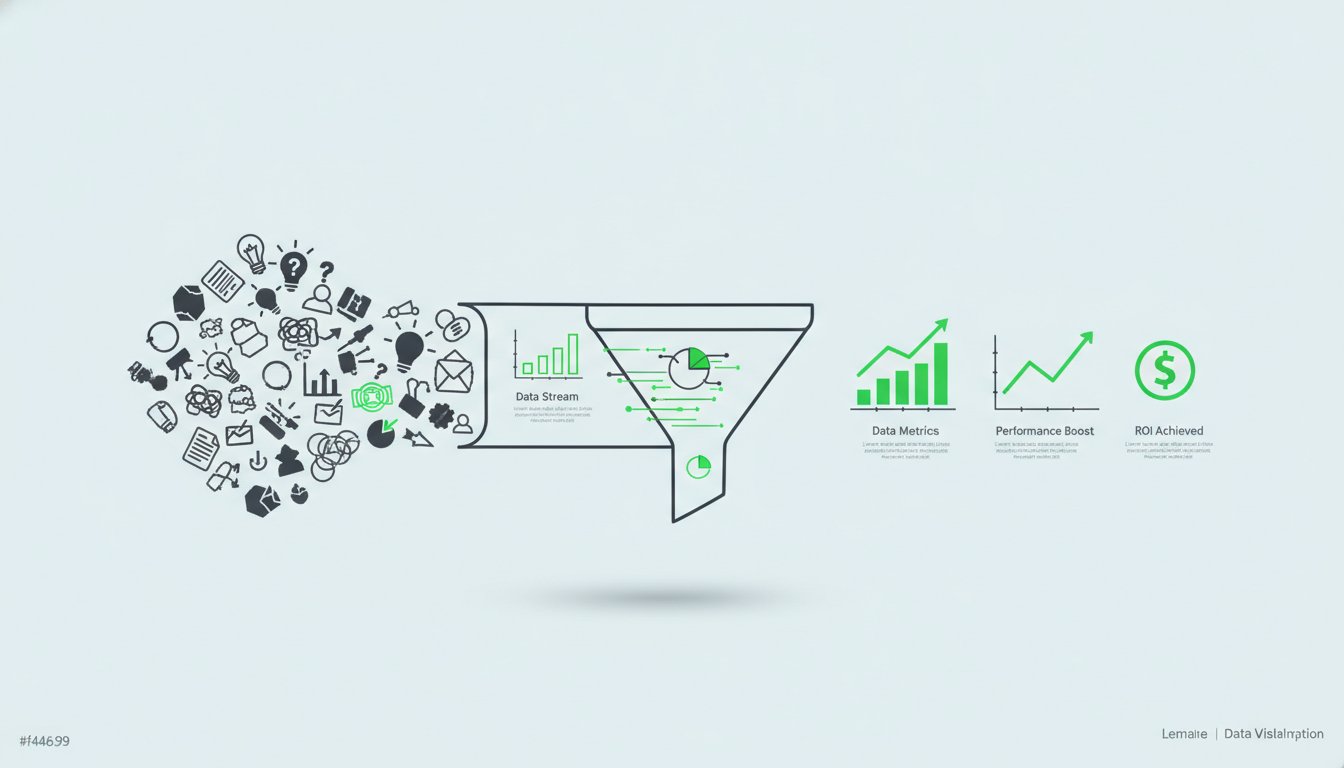
Why do 82% of employees cite learning and growth as their primary engagement driver while most organizations still treat their best ideas like junk mail in a digital suggestion box? Global engagement levels have stalled at a mere 23% as of 2025, yet the market for continuous improvement tools is surging toward a $38.15 billion valuation. The disconnect isn’t a lack of brilliance from your staff. It’s the administrative burden of managing those insights. If you’re tired of chasing spreadsheets and losing track of high-value feedback, you need a dedicated platform for continuous improvement ideas that treats every submission as a strategic asset.

You already know that your frontline teams are your greatest untapped resource for efficiency. We’ll show you how to transform those scattered suggestions into a centralized “value vault” that drives measurable financial impact, with some users generating an average of $6,000 in annual impact per person according to industry benchmarks. This article previews the automated workflows that move ideas to implementation and the dashboards that finally quantify the ROI of every improvement. It’s time to move past the passive suggestion box and start scaling excellence with data-driven precision.

Key Takeaways

  • Replace the “black hole” effect of traditional suggestion boxes with a transparent digital ecosystem that captures and acknowledges every employee contribution.
  • Leverage a platform for continuous improvement ideas to cut administrative friction using AI-powered clustering and automated workflows.
  • Apply structured evaluation frameworks to distinguish between incremental gains and radical shifts, ensuring your innovation pipeline remains both balanced and result-driven.
  • Drive cultural transformation by launching targeted Innovation Challenges that align your workforce’s collective intelligence with your most critical financial goals.
  • Stop guessing. Use real-time dashboards to translate raw suggestions into tangible cost savings and documented efficiency gains.

Beyond the Suggestion Box: Why Your Organization Needs a Dedicated Platform

The traditional suggestion box is a graveyard for potential. In most organizations, employee insights vanish into a “black hole” of physical bins or unmonitored email aliases, leaving contributors disengaged and leadership blind to frontline realities. A modern platform for continuous improvement ideas replaces this stagnation with a centralized, transparent hub designed to crowdsource, evaluate, and track every operational change in real time. By 2026, a single source of truth for operational excellence (OpEx) is no longer a luxury; it’s a requirement for organizations aiming to stay competitive in a market projected to reach $38.15 billion. Manual tracking in fragmented spreadsheets inevitably leads to “idea leakage,” where high-value insights are buried under administrative burnout and version control errors.

The Inefficiency of Legacy Systems

Generic project management tools are where great ideas go to die. They lack the structured submission workflows necessary to engage a busy frontline, leading to the high failure rates seen in unstructured innovation programs. This functional gap is at the heart of the Ideawake vs. spreadsheets debate. While some organizations attempt to build custom internal tools, they often find themselves trapped in technical debt and low adoption cycles. Choosing to buy a specialized platform provides the AI-driven deduplication and gamification features that home-grown systems simply cannot match. It ensures the continuous improvement process becomes a core competency rather than an administrative nightmare.

Connecting Frontline Insights to Executive Strategy

The structural gap between the shop floor and the C-suite is a primary cause of operational friction. A dedicated platform for continuous improvement ideas bridges this divide, turning frontline observations into executive-level strategy. This alignment is a powerful catalyst for growth. The benefits of employee ideation programs extend far beyond the balance sheet, fostering a culture of ownership that directly combats the global 23% engagement crisis. When employees see their ideas implemented, retention improves and productivity climbs. Industry data confirms that one in four improvements results in significant time savings, averaging nearly one hour saved per day per improvement. It’s time to stop guessing and start executing with precision.

The Architecture of a High-Impact Continuous Improvement Platform

Building a high-impact infrastructure for innovation requires more than a digital repository. It demands an active engine designed to eliminate administrative friction while supporting the full lifecycle of an idea. A modern platform for continuous improvement ideas must function as a high-performance filter that prioritizes value over volume. Without this architecture, organizations quickly become overwhelmed by the “noise” of low-quality submissions, leading to the administrative burnout mentioned previously. By 2025, it’s projected that 40% of employee engagement software will incorporate AI to solve this exact problem, moving beyond simple storage to intelligent processing.

Leveraging AI for Idea Evaluation

The primary barrier to scaling innovation is the manual labor required to screen and categorize suggestions. Ideawake AI addresses this by automating the first pass of idea screening, identifying duplicates, and clustering similar themes before a human manager ever sees them. This shift allows leaders to function as strategists rather than data entry clerks. Using AI tools for innovation managers transforms raw, often fragmented frontline feedback into actionable plans. These tools act as digital facilitators that refine suggestions in real time, ensuring that only the most viable concepts move forward for evaluation. It’s about maximizing clarity while minimizing the time spent on repetitive tasks.

Gamification and the Psychology of Participation

Software alone doesn’t create a culture of continuous improvement; people do. Sustained participation relies on the psychology of recognition rather than just monetary incentives. High-impact platforms utilize gamification features like transparent voting, leaderboards, and peer recognition to create a “democracy of ideas.” These elements foster a sense of ownership, making employees feel like active stakeholders in the company’s success. Structured Innovation Challenges further focus this energy by directing the workforce toward solving specific business bottlenecks rather than submitting random thoughts. This targeted approach ensures that the collective intelligence of your team is always aligned with high-priority executive goals. To see how these features work in a live environment, you can schedule a brief walkthrough of the platform.

3 Examples of Continuous Improvement Ideas in Action

To understand the power of a platform for continuous improvement ideas, you must look beyond abstract methodologies and examine the tangible results of frontline insights. High-performing organizations don’t just wait for lightning to strike; they build an infrastructure that captures every spark. Every suggestion should ideally aim to eliminate one of the 8 forms of Lean waste, such as overproduction, waiting times, or defective processing. By categorizing these insights, leaders can maintain a healthy balance between incremental vs. radical innovation, ensuring the business evolves at every level simultaneously.

Example 1: The Incremental Efficiency Tweak

In a complex logistics environment, a frontline operator identified a redundant data entry step that added zero value to the end customer. By submitting this observation through a dedicated platform, they triggered a workflow that eliminated a specific instance of overproduction waste. The result was a 15% reduction in processing time for that specific product line. This wasn’t just a “suggestion”; the platform tracked the implementation from the warehouse floor directly to the executive dashboard. It provided leadership with immediate visibility into the cumulative cost savings that would have otherwise been lost to administrative friction.

Example 2: The “Mistake” That Became a Product

Not every breakthrough begins as a deliberate project. The history of Post-it notes is a classic example of an employee idea that was originally a mistake. Dr. Spencer Silver created an adhesive that didn’t stick strongly enough for its intended use, yet he recognized its potential for something else. In a modern setting, a centralized database prevents these moments of unintended brilliance from being lost in private email threads. It allows other departments to view, vote on, and iterate on “failed” experiments, turning internal accidents into global market leaders.

Example 3: The Radical Cultural Shift

Radical shifts often emerge from the most unexpected corners of the workforce. The Flamin Hot Cheetos story remains the ultimate testament to frontline empowerment, where a janitor’s insight revolutionized an entire product category. Today’s enterprises replicate this success by using their platform to host virtual hackathons designed to tackle deep technical debt or cultural bottlenecks. These initiatives empower employees to move beyond small tweaks and propose fundamental changes to the business model, creating a high-performance culture where every voice has the potential to drive massive financial impact.

Evaluating and Prioritizing Ideas for Maximum ROI

Collecting thousands of suggestions is the easy part. The real challenge lies in distinguishing high-value insights from the inevitable “noise” that high-volume crowdsourcing produces. Without a structured idea evaluation process, organizations fall into the trap of “innovation theater.” This is a state where teams are busy with activity but fail to move the needle on key performance indicators. A modern platform for continuous improvement ideas eliminates this ambiguity by providing a systematic scoring framework. By involving cross-functional experts during the evaluation phase, you ensure that ideas are viewed through multiple lenses, from technical feasibility to market demand.

The core of this prioritization is the Impact vs. Effort matrix. This tool allows managers to quickly identify “Quick Wins,” which are improvements that require minimal resources but deliver immediate gains. Strategic projects, while requiring more significant investment, are also clearly defined and tracked. Automated workflows then take the highest-scoring ideas and move them directly into a project initiation phase, ensuring momentum isn’t lost to administrative delays. It’s about building a pipeline that prioritizes results over mere participation.

Data-Driven Decision Making

When you’re presenting a new initiative to the C-suite, anecdotes aren’t enough. Numbers are the only language that matters for budget approval. Using an idea management ROI calculator allows you to predict potential financial outcomes before you commit a single dollar to implementation. This predictive capability is enhanced by Stage-Gate workflows, which require ideas to meet specific criteria before advancing to the next level of investment. This disciplined approach protects your resources and ensures that your innovation program is viewed as a profit center rather than a cost center. For a comprehensive look at the frameworks and metrics required to quantify these results, explore our guide on how to measure continuous improvement across your enterprise. If you’re ready to see how a data-driven approach can transform your operations, you can book a demo to see these evaluation tools in action.

Avoiding Common Evaluation Pitfalls

One of the most persistent threats to a successful continuous improvement program is the “HiPPO” effect, or the Highest Paid Person’s Opinion. When the most senior person in the room dictates which ideas move forward, it kills employee engagement and often leads to suboptimal choices. To counter this, many high-performing teams use reverse brainstorming to stress-test ideas. Instead of asking why an idea will work, you ask why it might fail. This identifies hidden risks early in the lifecycle. Standardizing what you look for is also vital. Following a specific checklist for what makes an idea great ensures that every suggestion is evaluated on its own merit, regardless of who submitted it. This objectivity is what separates world-class innovation programs from those that eventually fizzle out.

Implementation: Turning Your Platform into a Competitive Advantage

Implementation is often mistaken for a mere technical task. In reality, it’s a cultural shift that requires deep executive buy-in to succeed. A successful implementation signals to the entire organization that innovation isn’t a one-time event but a permanent strategic priority. To build momentum without overwhelming your teams, start with a focused pilot program or a targeted Innovation Challenge. This approach allows you to prove the value proposition in a controlled environment before scaling. By 2026, the organizations that lead their industries will be those that have successfully moved past the “suggestion box” mentality and toward a disciplined execution model.

Your platform for continuous improvement ideas shouldn’t exist as an isolated silo. To ensure high adoption rates, the system must live where your employees already spend their time. Seamless integrations with Microsoft 365, Slack, and Jira are vital for reducing friction. When an employee can submit a breakthrough insight directly from their primary communication tool, participation becomes second nature. Ideawake acts as a partner in this transition, providing the expertise to reduce implementation timelines from months to just a few weeks.

The Build vs. Buy Dilemma

Many enterprises consider developing an internal tool to manage suggestions, but the hidden costs of maintenance and technical debt are often prohibitive. When you compare building vs. buying idea management software, the advantage of a purpose-built system is clear. Specialized platforms offer modern architecture and no-code configurability that allow you to scale across thousands of users without constant IT intervention. A purpose-built platform provides immediate access to advanced features like AI-driven evaluation and automated ROI tracking that would take years to develop in-house. Choosing a dedicated solution ensures your long-term cost savings are maximized through immediate operational gains and zero maintenance overhead.

Your 90-Day Roadmap to Operational Excellence

Moving from a static environment to a high-output innovation engine requires a methodical plan. The phases of continuous improvement begin with technical configuration and move quickly into active crowdsourcing and evaluation. A critical, yet often overlooked, step is “closing the loop” with your employees. Publicly celebrating successful implementations and acknowledging contributors ensures the pipeline remains full of high-quality insights. This transparency turns a software rollout into a sustainable competitive advantage that competitors simply can’t replicate. It’s time to stop settling for average results and start building a culture of excellence. Schedule a demo today to see how Ideawake can transform your operational efficiency.

Scaling Operational Excellence with Data-Driven Precision

The transition from a passive suggestion box to a strategic platform for continuous improvement ideas is the difference between operational stagnation and market leadership. By centralizing crowdsourced insights and applying AI-driven evaluation, organizations can reduce administrative overhead by up to 80% while ensuring no high-value concept is lost. You’ve seen how structured workflows and transparent ROI tracking turn frontline observations into documented financial gains. It’s time to stop letting potential vanish into fragmented spreadsheets and start building a permanent competitive moat.

Ideawake provides the end-to-end innovation lifecycle management you need to move from initial submission to final impact measurement. With a proven track record of enterprise-scale implementations globally, we help you bridge the gap between employee brilliance and executive strategy. Don’t let your organization settle for average engagement when you can unlock a high-performance culture of excellence. Transform your frontline ideas into measurable ROI; sign up for an Ideawake demo today.

Your team already has the answers to your most pressing efficiency challenges. Give them the tools to make those answers heard and watch your organization thrive.

Frequently Asked Questions

What is a platform for continuous improvement ideas?

A platform for continuous improvement ideas is a centralized digital ecosystem that allows organizations to crowdsource, evaluate, and implement employee-led changes. Unlike static tools, it provides a structured workflow to move from raw insight to measurable financial impact. It functions as a strategic engine for operational excellence; it ensures that frontline intelligence is captured and aligned with executive goals rather than being lost in fragmented communication channels.

How does continuous improvement software differ from a suggestion box?

Continuous improvement software provides transparency and accountability that physical or digital suggestion boxes lack. While suggestion boxes often become “black holes” where ideas disappear, modern platforms offer real-time tracking and automated feedback loops. This ensures every contributor knows exactly where their idea stands in the evaluation pipeline. It transforms passive submission into an active, collaborative project management cycle that prioritizes results over mere activity.

Can this platform integrate with our existing tools like Microsoft Teams or Jira?

Modern platforms are designed to live where your employees already work by integrating with tools like Microsoft Teams, Slack, and Jira. These integrations reduce the friction of switching between applications, which is vital for maintaining high participation rates across a diverse workforce. By embedding the submission process into daily communication channels, you ensure that capturing a breakthrough idea is as simple as sending a chat message.

How do we measure the ROI of a continuous improvement program?

ROI is measured by tracking the tangible cost savings, efficiency gains, and time reclaimed through implemented ideas. High-impact platforms include built-in dashboards that quantify these metrics against the initial investment in real time. Beyond direct financial impact, you should also monitor qualitative gains like increased employee retention and safety improvements. Data-driven reporting ensures your innovation program remains a visible profit center that justifies its own budget. To go deeper on the specific frameworks and KPIs used by data-driven enterprises, see our detailed breakdown of how to measure continuous improvement for 2026.

What are some examples of successful continuous improvement ideas?

Successful ideas range from incremental process tweaks to radical shifts in business models. Common examples include identifying redundant steps in a production line to reduce waste or implementing new safety protocols that lower insurance premiums. Other wins might involve optimizing energy consumption in facilities or digitizing manual paperwork to save hundreds of administrative hours. The key is that every idea addresses a specific operational bottleneck with a clear path to implementation.

How do we encourage employees to submit their ideas regularly?

Sustained engagement is driven by recognition and the visible implementation of ideas rather than monetary rewards alone. Use gamification features like leaderboards and peer voting to foster a healthy “democracy of ideas” within the office. Launching targeted Innovation Challenges also focuses employee energy on solving specific, high-priority business problems. When staff see their contributions actually changing the workplace, participation naturally becomes a core part of the organizational culture.

Is AI used in evaluating the ideas submitted to the platform?

AI is a mandatory component for modern platforms to manage high submission volumes without increasing administrative burden. It automates the first pass of screening by identifying duplicate ideas and clustering similar themes into actionable groups. This allows innovation managers to focus their time on high-potential concepts rather than manual data entry. By 2025, it’s projected that 40% of employee engagement software will incorporate AI to solve these exact evaluative bottlenecks.

How long does it take to implement a continuous improvement platform?

Full implementation of a platform for continuous improvement ideas typically takes between two to six weeks. This timeline depends on the scale of your organization and the complexity of required software integrations. A phased approach starting with a pilot program allows you to demonstrate quick wins and refine your strategy before a full-scale rollout. Expert partners accelerate this process by handling technical setup and cultural training concurrently to ensure immediate adoption.

Employee Led Innovation Tools: The 2026 Guide to High-Impact Platforms

Employee Led Innovation Tools: The 2026 Guide to High-Impact Platforms
Coby Skonord|
June 12, 2026

Your current innovation program isn’t failing because your people lack ideas; it’s failing because your suggestion box is where high-value potential goes to die. When you manage growth initiatives through fragmented emails and cluttered spreadsheets, you aren’t just creating administrative chaos, you’re actively signaling to your team that their contributions don’t matter. The global market for engagement software reached $928.3 million in 2023 as reported by research.com. Forward-thinking organizations are finally realizing that employee led innovation tools are no longer optional “nice-to-haves” but essential execution engines for high-velocity growth.

It’s frustrating to watch promising concepts vanish into a black hole while you struggle to prove the financial impact of your initiatives to leadership. You deserve a centralized, automated pipeline that replaces guesswork with hard data. This guide breaks down the modern platforms designed to drive massive participation through gamification and deliver clear ROI tracking for every implemented idea. We’ll explore how to transition from stagnant programs to a culture of continuous improvement that scales your bottom line and transforms raw ideas into organizational growth.

Key Takeaways

  • Replace passive suggestion boxes with execution-focused platforms to prevent the “black hole” effect that causes many manual programs to fail within a year.
  • Discover how employee led innovation tools use AI-driven deduplication and gamification to solve idea fatigue and drive high-velocity engagement levels.
  • Use a strategic framework to assess your innovation maturity level and align your platform choice with the specific needs of your frontline or R&D stakeholders.
  • Learn to evaluate top 2026 platforms based on their ability to provide clear ROI tracking and transform raw employee concepts into high-impact growth.

The Death of the Suggestion Box: Why Legacy Tools Fail Employee-Led Innovation

The traditional suggestion box is an artifact of a bygone era. It represents a passive, wait-and-see approach that is fundamentally incompatible with the speed of 2026 business environments. It’s slow. It’s opaque. It’s where potential goes to die. True employee led innovation tools are not mere repositories for random thoughts; they are sophisticated execution platforms designed to move ideas through a structured pipeline toward measurable ROI. Organizations that rely on manual methods or basic forms often fall victim to the “Black Hole” effect. Industry benchmarks indicate that approximately 80% of manual innovation programs fail within the first 12 months because they lack the infrastructure to handle the volume and complexity of bottom-up feedback.

Effective Innovation management requires more than just an open door. It demands a rigorous process for vetting, testing, and scaling concepts. Legacy “digital suggestion boxes” fail because they focus on collection rather than conversion. They create massive administrative debt, forcing managers to sift through hundreds of unstructured emails or spreadsheet rows. This administrative complexity is the single greatest killer of innovation programs. It turns a strategic growth initiative into a tedious clerical task. Organizations that successfully scale their impact recognize that employee led innovation tools must automate the heavy lifting of evaluation and routing to keep the momentum alive.

The High Cost of Inefficient Idea Management

Managing innovation shouldn’t feel like a tax on your leadership’s time. Managers often waste hours reviewing duplicate submissions or low-quality ideas that don’t align with corporate strategy. This inefficiency creates the “Engagement Tax.” When an employee submits a brilliant concept and hears nothing for weeks, their morale plummets. Slow feedback loops signal that their insights aren’t a priority. This effectively shuts down future participation. Beyond morale, the opportunity cost is massive. Every uncaptured frontline insight is a potential process improvement or revenue stream that your competitors will eventually exploit. You can see the stark difference in performance when comparing ideawake vs spreadsheets for managing these high-stakes workflows.

From Passive Collection to Active Execution

High-impact organizations treat their innovation program as an execution engine. This requires a fundamental shift from “all ideas welcome” to launching targeted innovation challenges. By focusing employee energy on specific business problems, you ensure that every submission has a direct path to implementation. A dedicated innovation portal for employees serves as the central hub for this shift. It provides the transparency needed to track progress and the automation required to keep the pipeline moving at high velocity. It’s about moving away from “innovation theater” and toward a relentless focus on results that transform the organization from the bottom up.

The Core Mechanics of High-Impact Employee Innovation Tools

Success in modern ideation isn’t about the volume of submissions; it’s about the velocity of execution. High-impact employee led innovation tools move beyond passive collection by utilizing specific mechanical foundations that turn raw concepts into business results. These platforms act as a filter, separating the signal from the noise so that leadership can focus on high-stakes opportunities without getting bogged down in administrative clutter. By replacing manual entry with automated workflows, organizations can move from “innovation theater” to a relentless focus on measurable growth.

AI and Automation: The New Baseline

Manual review processes are the primary cause of innovation bottlenecks. Modern AI-driven innovation features solve this through automated deduplication. When an employee begins typing an idea, the system scans existing submissions in real-time, suggesting similar concepts to prevent “same idea” fatigue. This doesn’t just save time; it encourages collaboration over repetition. Automation can reduce administrative overhead by up to 80% by automatically scoring ideas against strategic criteria and routing them to the correct department heads. Automated notifications ensure that every contributor receives a status update, closing the feedback loop that legacy systems notoriously leave open.

Gamification and Social Proof

Engagement isn’t a lucky accident. It’s a calculated outcome of social psychology. Employee-led innovation thrives when peers can vote, comment, and build upon each other’s work. This “crowdstated” approach provides immediate social proof, identifying which concepts have the most grassroots support before a manager even sees them. High-performance employee led innovation tools implement leaderboards and virtual recognition to drive up to 3x higher engagement rates than traditional programs. By recognizing contributors for their activity and collaboration, rather than just the final “winning” idea, you sustain a culture of participation that lasts long after the initial launch.

To reach the entire workforce, these mechanics must be available via mobile-first interfaces. Frontline workers in manufacturing, retail, or healthcare don’t sit at desks. If they can’t submit an idea in thirty seconds during their shift, that insight is lost. Automated stage-gate workflows then carry these submissions through a structured set of innovation stages, ensuring that every viable concept has a clear path toward implementation and ROI tracking. If you’re ready to see how these mechanics function in a real-world environment, you can see the platform in action here.

The 2026 Roundup: Top Employee-Led Innovation Tools Evaluated

The global market for employee engagement software is projected to grow at a 16.4% compound annual growth rate through 2030. This expansion isn’t just about “feeling good” at work; it’s a strategic response to the documented success of Employee-Driven Digital Innovation. Choosing the right employee led innovation tools requires a clear understanding of your organizational goals. Whether you are seeking incremental process improvements or radical new revenue streams, the platform you select acts as the nervous system of your innovation strategy.

Ideawake stands out as the premier choice for organizations prioritizing high-velocity, bottom-up engagement. Unlike legacy systems that feel like digital filing cabinets, Ideawake is an execution-focused innovation management platform designed to move ideas from the frontline to the balance sheet. It bridges the gap between raw creativity and financial reality with built-in ROI tracking. This ensures that every successful pilot is quantified, making it easy to prove the program’s value to skeptical stakeholders.

For organizations with different focus areas, the market offers several specialized categories:

  • Enterprise-Grade Community Platforms: These are designed for massive, global organizations that need to manage community ideation across tens of thousands of users simultaneously.
  • Continuous Improvement Tools: Specialized for lean manufacturing and operational excellence, these platforms focus on small, iterative “Kaizen” style improvements.
  • Event-Driven Software: Best for short-term bursts of energy, these tools facilitate innovation challenges and hackathons that focus the entire workforce on a single problem for a limited time.

Ideawake: The Modern Standard for Engagement

Engagement fails when software is difficult to use. Ideawake utilizes a modern architecture that prioritizes user adoption, ensuring that frontline workers can contribute without a steep learning curve. The platform manages the entire lifecycle of an idea, from the initial submission through evaluation and into financial reporting. This end-to-end visibility eliminates the “black hole” effect discussed earlier. Because the setup is streamlined, organizations can launch their first challenge in days rather than months, providing a faster path to measurable impact. If you’re weighing the pros and cons of different approaches, reviewing a build vs buy idea management software analysis can clarify why a purpose-built platform is often the superior financial move.

Specialized Tools for Niche Innovation

Some industries require more than just a standard suggestion pipeline. Highly regulated sectors like healthcare or aerospace often need platforms with heavy governance and complex auditing features to ensure compliance. Other organizations may look toward “open innovation” tools that extend the employee led innovation tools ecosystem to include external partners, vendors, or even customers. These specialized platforms often include trend scouting and foresight capabilities, helping leadership identify disruptive market shifts before they arrive. While these niche tools offer deep functionality for specific use cases, they often trade off the high-velocity engagement and ease of use found in more agile, employee-centric platforms.

A Strategic Framework for Choosing Your Innovation Engine

Selecting employee led innovation tools isn’t a casual software purchase. It’s a high-stakes strategic decision that determines whether your organization scales its potential or stagnates in administrative debt. Many leaders fall into the trap of buying features they don’t need while ignoring the workflows that actually drive participation. To avoid this, you need a rigorous evaluation framework that moves beyond surface-level aesthetics and focuses on technical utility.

The first step is defining your Innovation Maturity level. Are you running ad-hoc challenges, or are you building a permanent, strategic execution engine? Once you’ve established your baseline, follow these critical steps:

  • Identify Primary Stakeholders: Frontline workers require mobile-first speed; R&D teams demand complex, technical evaluation criteria.
  • Evaluate Integration Capabilities: If the tool doesn’t live within Slack, Microsoft Teams, or your existing HRIS, it won’t be used. Friction is the enemy of engagement.
  • Demand ROI Transparency: The platform must track actual dollars and cents, not just the number of ideas submitted.
  • Test for Shelfware Risk: If a non-technical employee can’t navigate the interface in sixty seconds, the tool will eventually be abandoned.

Matching Tool to Organizational Culture

A “heavy,” overly governed tool will fail a fast-moving, agile startup culture. These environments require high-velocity feedback and minimal friction. Conversely, global enterprise environments necessitate robust role-based permissions and complex auditing features to maintain order across thousands of users. You can find more specific selection criteria in the definitive guide to innovation management platforms. Ensure the tool’s rhythm matches your team’s pulse to avoid a cultural mismatch that kills adoption before it starts.

The ROI Requirement

Never invest in a platform that lacks a built-in financial dashboard. You need to see the hard numbers to justify the program’s existence to executive leadership. While “soft” ROI like improved employee morale is valuable, it doesn’t pay the bills. Innovation ROI is the ratio of implementation cost to realized value. By tracking this metric relentlessly, you transform your innovation program from a cost center into a documented profit driver. If you’re ready to stop guessing and start measuring, you can book a free demo to see our ROI tracking in action.

Scaling Results with Ideawake: The High-Performance Choice

Innovation theater is the silent killer of corporate growth. It’s easy to launch a program; it’s much harder to sustain one that delivers a measurable bottom-line impact. Ideawake is the catalyst for organizations ready to move beyond the “suggestion box” mentality and toward a culture of relentless execution. By focusing on high-velocity workflows and ROI transparency, we provide the infrastructure necessary to turn raw employee potential into a documented competitive advantage. This isn’t just about software. It’s about providing the employee led innovation tools required to transform your organization from the bottom up.

Built for the Modern Workforce

Implementation shouldn’t take a fiscal quarter. While legacy enterprise platforms require months of configuration and expensive consulting hours, Ideawake is designed to reduce implementation time from months to days. This speed allows you to capitalize on organizational momentum immediately. We directly address the most common objection to innovation programs: the fear that ideas will be ignored. Our platform makes it impossible for submissions to vanish into a black hole. Every idea is tracked through a transparent pipeline, ensuring accountability at every stage of the evaluation process.

To sustain long-term participation, we utilize sophisticated gamification dynamics that reward not just the “winners,” but the collaborators and reviewers who keep the engine running. This approach fosters a genuine culture of innovation rather than a one-off event. Ideawake AI acts as a force multiplier for your management team. It surfaces “hidden gem” ideas that might otherwise be buried under a high volume of submissions; this reduces administrative debt and ensures that high-impact opportunities are prioritized with surgical precision.

Your Blueprint for Success

Technology is only half of the equation. High-performance organizations recognize that employee led innovation tools are most effective when paired with expert guidance. We provide the support and strategic blueprint necessary to ensure your platform implementation scales alongside your business goals. You’ve seen the data. You understand the high stakes of inaction. Stop settling for average engagement and start scaling your impact by focusing on the results that matter most.

Your organization has untapped potential waiting to be surfaced. It’s time to replace administrative chaos with a centralized, automated pipeline that proves its own value every single day. Book your Ideawake demo and turn ideas into ROI today.

Transform Your Workforce into an Execution Engine

Legacy systems fail because they lack the technical foundation to handle modern business complexity. You’ve seen why administrative debt kills momentum and why a strategic framework is the only way to align your innovation maturity with your corporate goals. High-impact employee led innovation tools must do more than store ideas. They must automate the path to implementation while providing the transparency your leadership demands. This is the difference between running a program and driving a transformation.

By utilizing an AI-driven deduplication engine and gamified engagement leaderboards, you can eliminate the “black hole” effect and sustain a relentless culture of participation. Don’t settle for “innovation theater” when you can have end-to-end ROI measurement that proves the financial impact of every frontline insight. The potential for massive organizational growth is already within your walls; you just need the right platform to unlock it. It’s time to move beyond spreadsheets and start delivering results that matter.

Stop the chaos and start scaling innovation with Ideawake

Your team is ready to contribute. It’s time to give them the engine they deserve.

Frequently Asked Questions

What are employee led innovation tools?

Employee led innovation tools are specialized software platforms designed to capture, evaluate, and execute ideas generated by your workforce. Unlike generic collaboration apps, these tools provide a structured pipeline that moves a concept from its initial spark to final implementation. They include features for strategic scoring, testing, and tracking financial results to ensure that internal creativity translates directly into organizational growth and operational efficiency.

How do these tools differ from a standard suggestion box?

Innovation tools function as active execution engines rather than passive repositories. While a suggestion box often acts as a “black hole” where ideas are ignored, modern platforms automate the feedback loop and provide total transparency. They use structured workflows and stage-gate processes to ensure every viable idea is evaluated by the right stakeholders, preventing the administrative bottlenecks common in manual programs.

Can employee innovation tools integrate with Slack or Microsoft Teams?

High-performance innovation platforms integrate directly with Slack and Microsoft Teams to meet employees where they already work. By embedding the ideation process into daily communication channels, organizations can reduce friction and increase participation rates. This integration allows users to submit ideas, vote on concepts, and receive status updates without ever leaving their primary collaboration environment, maintaining high velocity across the organization.

How do you measure the ROI of an employee innovation program?

You measure ROI by calculating the ratio of implementation costs to the realized value of implemented ideas. This involves tracking hard metrics such as cost savings from process improvements and new revenue generated from product innovations. Advanced platforms provide built-in financial dashboards that automate this tracking, making it easy to report the program’s bottom-line impact to executive leadership with documented evidence.

What is the best way to encourage employees to use innovation software?

The best way to drive adoption is through a combination of gamification and radical transparency. By using leaderboards and social proof, you tap into the psychology of recognition to sustain long-term engagement. Providing immediate feedback on submissions is equally critical; employees are far more likely to participate when they see that their contributions are being actively reviewed and valued by the organization.

Are these tools suitable for remote or frontline workers?

Modern employee led innovation tools are specifically designed for remote and frontline workers through mobile-first interfaces and cloud-based accessibility. Frontline staff in manufacturing or retail can submit insights in seconds via their mobile devices during a shift. This ensures that the valuable perspectives of those closest to the customer or production line are never lost due to a lack of desk access.

How does AI improve the innovation management process?

AI improves the process by automating time-consuming tasks like idea deduplication and strategic scoring. By scanning existing submissions in real-time, the system prevents repetitive entries and helps managers focus on the highest-potential concepts. AI can also categorize ideas based on strategic alignment, significantly reducing the administrative burden on innovation managers and accelerating the decision-making cycle for high-stakes projects.

What is the typical implementation time for an innovation platform?

Typical implementation for a modern employee led innovation tools suite ranges from a few days to two weeks. Unlike legacy enterprise software that requires months of technical configuration, agile tools are built for rapid deployment. This speed allows organizations to launch their first innovation challenge quickly, capturing immediate momentum and delivering measurable results within the first month of operation.